
The City With the Crowd, But Not Always the Concert
India's live music industry is expanding, but an unexpected question is emerging: why are some major international artists leaving Delhi off their tour schedules?
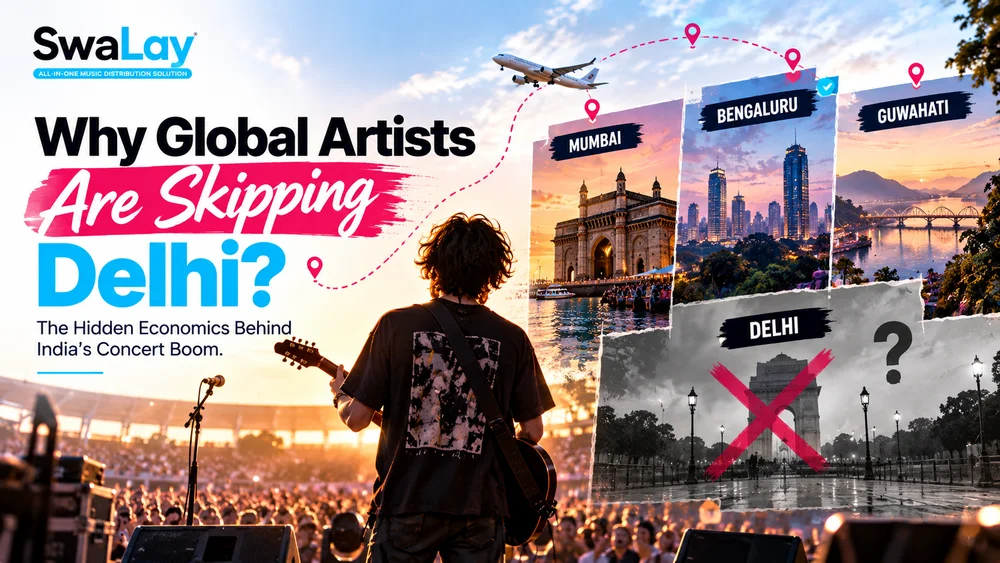
A report published by The Indian Express on October 7, 2026, highlighted this contradiction. Delhi-NCR accounts for approximately 17% of India's concerts and live events, making it the country's second-largest concert market. Yet artists such as Gorillaz have announced India itineraries featuring cities including Guwahati, Bengaluru and Mumbai without Delhi.
The surprising part is that audience size is only one piece of the concert business.
Organisers must consider venue rental costs, logistics, security, audience spending patterns, transport and the overall economics of staging a show. Government incentives and more affordable venues can also influence where promoters choose to invest. Delhi has responded by pursuing lower stadium rental costs, but operational challenges remain part of the conversation.
A city with millions of potential listeners is not necessarily the best place to perform. Artists and their teams need to understand where their most engaged fans live, whether those fans attend live events, what ticket prices they can afford and how much it costs to bring a show to them.
Smaller cities can present opportunities when local demand, venue availability and event economics align. The smartest touring strategy may therefore begin with audience data rather than assumptions about which cities matter most.
For promoters, venues and emerging musicians, this shift encourages a more precise approach to live performance: test demand, understand local audiences and build shows around realistic economics.
India's concert boom will not be defined only by how many cities host international stars. It will also depend on how effectively each city turns musical enthusiasm into a sustainable live music business.