
A concert is supposed to bring people together. Thousands gather to celebrate the same music, sing the same lyrics and share an unforgettable experience. But for many people, attending a live event can involve challenges that have little to do with ticket prices or finding their favourite artist.
Personal safety, accessible entrances, suitable seating, clean facilities, crowd movement and emergency assistance can determine whether someone can comfortably attend a concert at all.
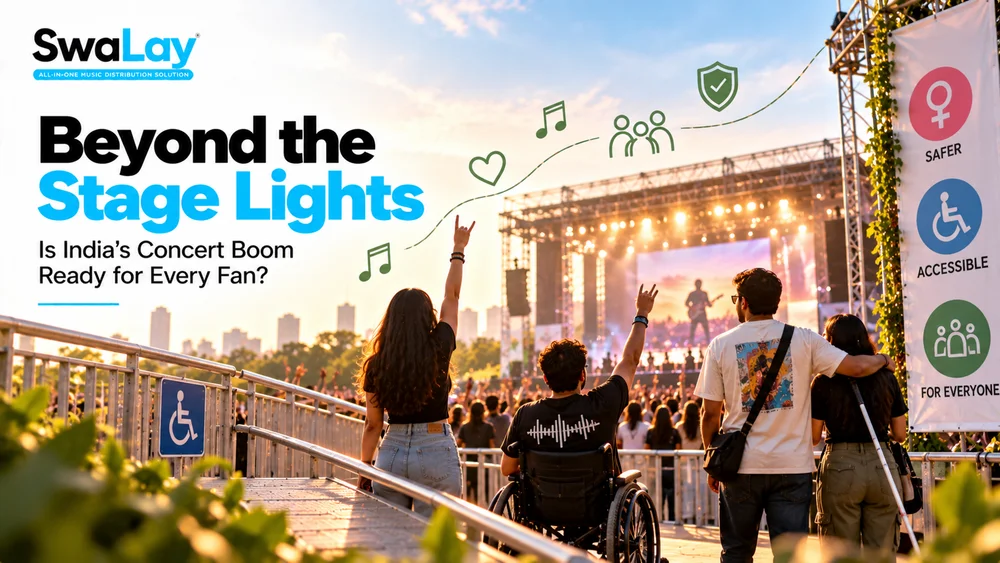
India's growing live-events industry may now be approaching an important turning point.
At its October 7, 2026 meeting, the government's Live Events Development Cell proposed introducing Inclusivity Guidelines for Safety of Women and Persons with Disabilities at Live Events and Concerts, with a proposed launch at WAVES 2027.
The development deserves attention because India's concert economy is expanding quickly. Government figures indicate that approximately 34,000 live events were held across the country in the previous year, supporting more than one crore livelihoods.
But growth brings responsibility. A larger audience means event organisers must think beyond stage design, sound quality and ticket sales.
For women, practical safety measures can include well-trained security personnel, clearly marked help points, adequate lighting, emergency response teams and reliable complaint mechanisms. For persons with disabilities, accessible entry routes, wheelchair-friendly viewing areas, suitable washrooms, clear signage and trained assistance can make a substantial difference.
These are practical considerations for organisers, not a description of guidelines already implemented.
For independent artists, promoters, venues and music companies, inclusivity should become part of event planning from the beginning rather than an arrangement made at the last minute. It can also expand audiences by making live performances more welcoming to people who might otherwise avoid attending.
The real test will be implementation: clear standards, trained staff, regular monitoring and accountability.
India's live music industry should not measure success only by how many people enter a venue.
It should also measure whether everyone has a fair chance to enjoy the music once they get there.